Toilet Repair & Clogged Toilet Plumber in Montgomery County
Toilet backed up, running non-stop, or leaking at the base? You reach the Holdsy Plumbing team directly, not a call center. They find the actual fault before quoting anything.
We'll follow up within one business day. No pressure, no upsells.
The Honest Diagnosis: Flapper, Fill Valve, or Wax Ring
Your toilet is doing something it shouldn't: it won't stop running, it's backed up, or there's water pooling around the base. Either way you reach the Holdsy Plumbing team directly at (301) 834-2944. Chase finds the actual fault before touching anything, because a running toilet can be a $12 flapper or a worn fill valve, and a leak at the base is a wax ring reseat, not a whole new toilet. Owner-operated means the person who answers the phone is the person who lifts the tank lid and diagnoses it, with no commission riding on selling you a fixture you don't need.
Here's the part that decides most of these calls, and it's the part big companies skip. Most toilet problems are small, cheap parts inside the tank, and the honest move is to name the cheapest fix that actually solves it. A flapper that won't seal, a fill valve that never shuts off, a flush handle chain that's tangled: those are minutes of work and a few dollars in parts. Chase tells you which one you've got and what it costs before he starts, so a running toilet doesn't turn into a replacement pitch.
What's actually wrong
The Three Things That Go Wrong With a Toilet
Details below
Nearly every toilet call is one of these three, and the fix for each is completely different in cost and scope. The grid tells you which category you're likely in before Chase even arrives. Knowing which one you've got is the difference between a $12 part and a bigger job, and an owner-operator has no reason to blur that line.
It keeps running (parts in the tank)
A toilet that runs after the flush, or cycles on its own, is almost always a flapper that won't seal or a fill valve that won't shut off. These are the cheapest fixes in plumbing: a flapper is a few dollars, a fill valve a bit more. An honest diagnosis saves you the most money right here.
It's clogged or backed up
A toilet that won't flush, or that rises toward the rim, is a clog in the trap, the bend, or the branch line. A plunger clears most. When it doesn't, a closet auger reaches what a plunger can't. If other fixtures back up too, the problem is past the toilet and into the main.
It leaks at the base (wax ring)
Water seeping around the bottom of the toilet after a flush usually means the wax ring under it has failed and the seal to the flange is broken. That's a pull-and-reset with a fresh wax ring, not a new toilet. Left alone, that water rots the subfloor underneath.
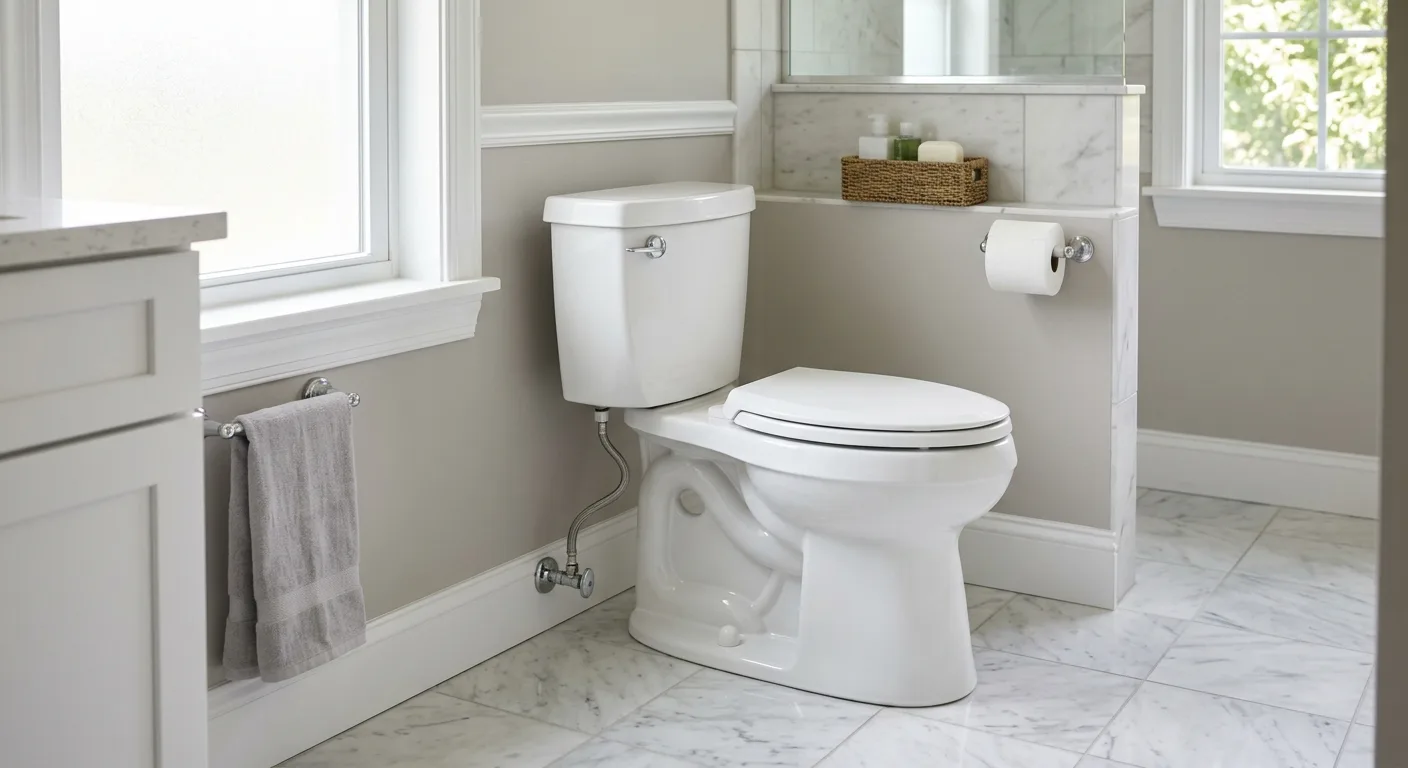
Toilet repair detail in a Maryland home
Plumber for a Clogged Toilet: When a Plunger Isn't Enough
A clogged toilet clears with a plunger far more often than people expect, so start there before you call anyone. Use a flange plunger, the kind with the extra rubber sleeve that seats into the bowl outlet, and work it with steady pushes rather than one hard shove. Most toilet-paper and waste clogs give up after a dozen good strokes. If the bowl is near the rim, don't flush again, because a second flush on a blocked toilet is how a clog becomes an overflow across your bathroom floor.
When a plunger and a closet auger haven't moved it, the blockage is deeper than the toilet's own trap, often a wad of so-called flushable wipes or a foreign object lodged in the bend. Chase pulls the toilet if he has to, clears the line, and resets it on a fresh wax ring so it seals properly going back down. Backed-up toilet you can't clear? Call (301) 834-2944 and describe what it's doing.
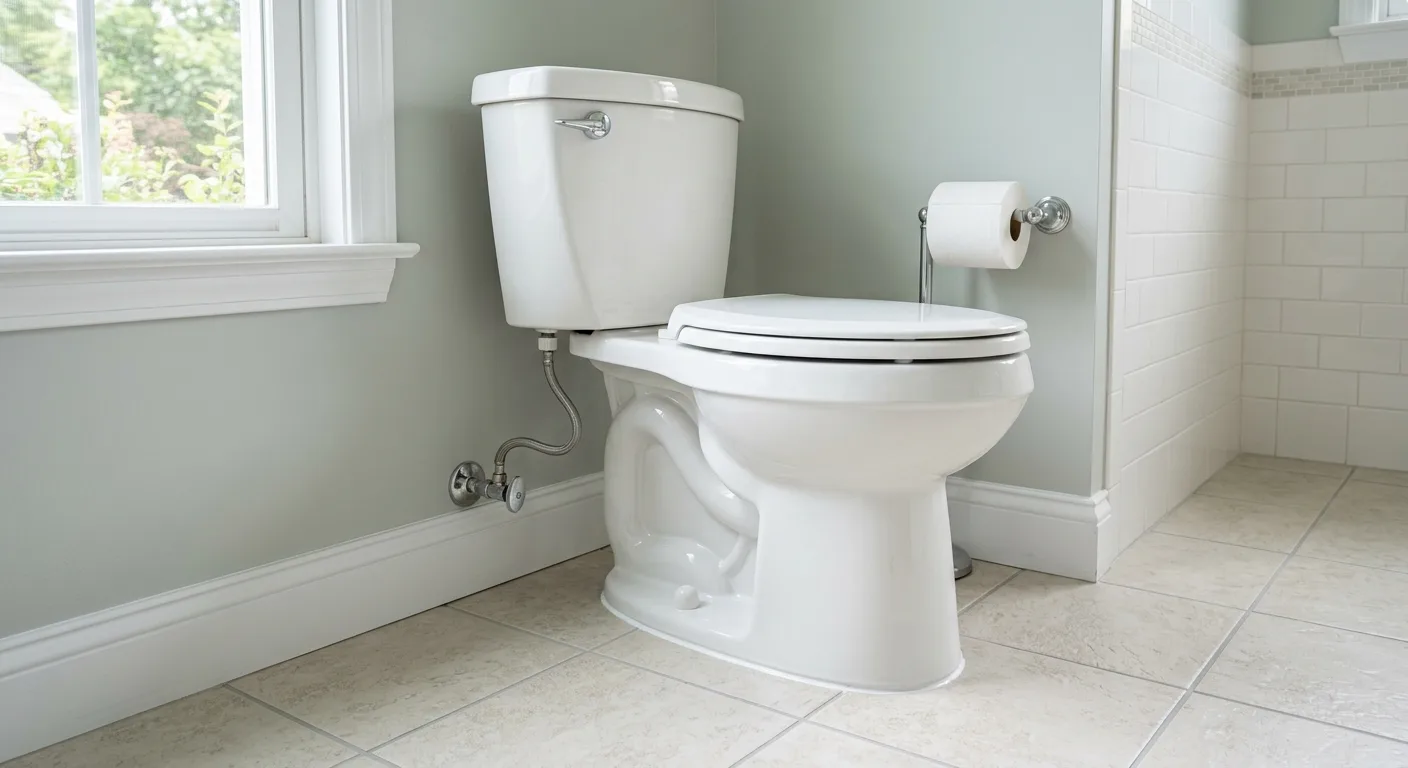
Toilet repair detail in a Maryland home
Toilet Keeps Running? Here's What the Holdsy Plumbing Team Checks First
A running toilet is the most common toilet call there is, and it's also the one where an honest plumber saves you the most. The fix comes down to two parts inside the tank, and Chase checks them in order of cheapest first. Nine times out of ten it's one of these:
The flapper. The rubber seal at the bottom of the tank warps, stiffens, or gets a mineral crust from this area's moderately hard water, so it stops sealing and water leaks into the bowl. The tank refills to make up for it, which is the phantom run you hear at 2 a.m. A flapper is a few dollars and a five-minute swap.
The fill valve. If the water level never reaches the shutoff point, or the valve keeps hissing, the fill valve itself is worn and won't close. That's the next part up, still an inexpensive one, and it's the fix when a new flapper doesn't stop the running.
The chain or float. A flush chain that's too long, too short, or tangled holds the flapper open, and a misadjusted float sends water straight down the overflow tube. Both are free adjustments, no parts needed.
"A running toilet is the easiest place in the house to get upsold. It's a flapper or a fill valve nine times out of ten. I tell you which, I tell you what the part costs, and that's the job."
A running toilet isn't an emergency, but it wastes real water and money the longer it runs. Because it can wait, it's a perfect job to start as a form: describe it, and Chase schedules it. Request a free estimate through the contact form, or call (301) 834-2944 if you'd rather talk it through.
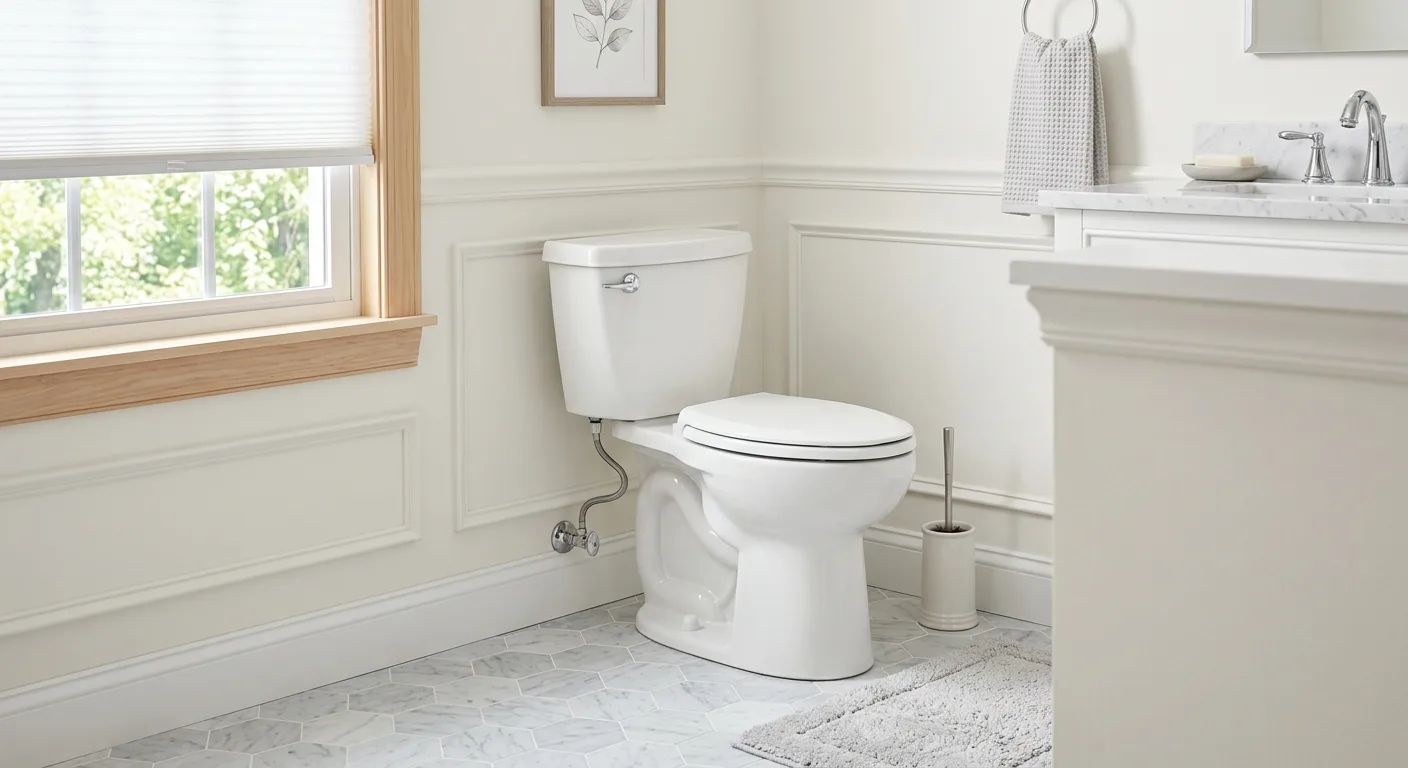
Toilet repair detail in a Maryland home
Toilet Leaking at the Base: The Wax Ring Reseat
Water showing up around the bottom of the toilet, especially after a flush, points to a failed wax ring. That ring is the seal between the toilet's base and the flange in the floor, and when it fails, flush water escapes onto the floor and, worse, down under the toilet where you can't see it. Left alone, that slow leak rots the subfloor and can loosen the flange, which turns a simple reseat into a floor repair. This is a fix worth acting on early.
The reseat itself is straightforward in the hands of someone who does it right: pull the toilet, scrape the old wax, check the flange and the bolts for corrosion or a cracked flange (common in the older housing stock around Gaithersburg and Rockville), set a fresh wax ring, and reseat the toilet level so it doesn't rock. A toilet that rocks breaks the new seal in months, so the reset matters as much as the ring. Seeing water at the base? Call (301) 834-2944 before it reaches the subfloor.
Toilet repair detail in a Maryland home
When You Don't Need a New Toilet
A straight answer saves you money here, so here it is. If your toilet runs, clogs occasionally, or leaks at the base, you almost certainly don't need a new toilet. Those are parts and seals, not a fixture replacement. A running toilet is a flapper or a fill valve. A base leak is a wax ring. An occasional clog is a plunger or an auger. None of those is a reason to replace a toilet that flushes fine otherwise.
Replacement earns its keep in a shorter list of cases: a cracked tank or bowl (a hairline crack that weeps is not fixable), a toilet that clogs constantly no matter what because it's an old low-performing design, or a wobbly toilet sitting on a flange that's broken below floor level and needs rebuilding anyway. If you're remodeling and just want a new one, that's your call, not a plumbing necessity. Not sure whether what you've got is a $12 fix or a real replacement? Call Chase at (301) 834-2944, describe it, and half the time he can tell you on the phone.
Free, no-pressure estimate
Toilet Acting Up?
If a toilet is backed up and you can't clear it, that's a call: describe it to the Holdsy Plumbing team directly at (301) 834-2944, whether it's running, clogged, or leaking at the base. Most of the time he can tell you on the phone whether it's urgent and when he can get there. For a running toilet or a fill-valve swap that can wait, use the contact form to request a free estimate.
If the fill valve keeps running or hissing after the tank fills, it's worn and the fix is a replacement valve, not a repair of the old one. Shut off the supply at the wall, flush to empty the tank, disconnect the supply line, and swap the fill valve for a matching one, then adjust the water level to the fill line marked inside the tank. It's an inexpensive part and a common job. If a new flapper didn't stop the running, the fill valve is usually the next suspect. If you'd rather not do it yourself, it's a quick visit or a form-scheduled job. Call Chase at (301) 834-2944 or request a free estimate through the contact page.
Why does my toilet keep running?+
A toilet that keeps running is almost always leaking water from the tank into the bowl, so the tank refills to compensate. The cheapest and most common cause is a worn or warped flapper that no longer seals at the bottom of the tank. Next up is a fill valve that won't shut off, or a float set too high so water spills down the overflow tube. A tangled or wrong-length flush chain can also hold the flapper open. Chase checks these cheapest-first: a flapper is a few dollars, a fill valve a bit more, and a chain or float adjustment is free. It's the easiest toilet problem to get upsold on, which is exactly why the honest diagnosis matters.
How do I fix a toilet that won't stop running with a flapper problem?+
Start with the flapper, since it's the most common culprit and the cheapest to fix. Shut off the supply, flush to drain the tank, and inspect the flapper: if it's stiff, warped, or has a mineral crust from hard water, it won't seal and needs replacing. Bring the old one to match size and style, since flappers aren't universal. Also check that the chain has a little slack and isn't holding the flapper open. If a fresh flapper that seats cleanly still doesn't stop the running, the problem is upstream at the fill valve. Chase carries common flappers and fill valves so a running-toilet call is usually a one-visit fix.
My toilet is leaking at the base. Do I need a new toilet?+
Almost never. A leak at the base is usually a failed wax ring, the seal between the toilet and the floor flange, and the fix is a reseat with a fresh wax ring, not a new toilet. Before pulling anything, Chase rules out the easy fakes: condensation dripping off a cold tank, or a loose tank-to-bowl bolt, can look like a base leak. If it is the wax ring, he pulls the toilet, checks the flange and bolts for corrosion or cracking, sets a new ring, and reseats the toilet level so it doesn't rock and break the seal again. Act on it early, because that water rots the subfloor underneath if it's left.
When should I call a plumber for a clogged toilet?+
Call when a flange plunger and a closet auger haven't cleared it, or when the toilet backs up again soon after you clear it. A single stubborn clog is often a foreign object or a wad of so-called flushable wipes lodged past the trap, which sometimes means pulling the toilet to reach it. More urgent: if flushing the toilet makes the tub or shower gurgle or back up, the blockage is in the main line, not the toilet, and that needs a main-line clearing before it backs up elsewhere. Call Chase at (301) 834-2944, describe which fixtures are affected, and he'll bring the right tool.